


Dräger Tube Epichlorhydrine 5/c - PN: 6728111

Dräger Tube Epichlorhydrine 5/c (10)
PN: 6728111
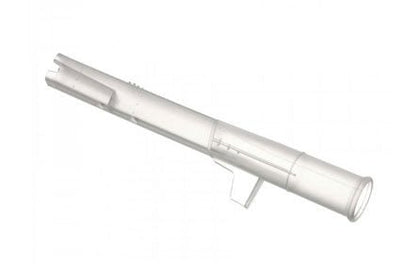
Dräger-Tubes™ are used together with a Dräger tube pump for measurements of gases, vapors and aerosols, usually in air, and are one of the classic methods of gas analysis. This Dräger-Tube is used for the detection of epichlorohydrin and has the following standard measuring range: 5-80 ppm Measurements: 10
Application Range
Standard Measuring Range: 5 to 80 ppm
Number of Strokes n: 20
Time for Measurement: approx. 8 min
Standard Deviation: ± 15 to 20 %
Color Change: pale gray ä yellow orange
Ambient Operating Conditions
Temperature: 10 to 40 °C
Absolute Humidity: 5 to 15 mg H2O / L
Reaction Principle
Epichlorohydrin + Cr VI ä Cl2 Cl2+ o-tolidine ä yellow orange reaction product
Cross Sensitivity
Other chlorinated hydrocarbons are indicated as well but with different sensitivities. It is not possible to measure epichlorohydrine in the presence of free halogens and hydrogen halides in the TLV range because they are indicated as well. Petroleum hydrocarbons cause low readings.
Dräger Tube Epichlorhydrine 5/c (10)
PN: 6728111
Dräger-Tubes™ are used together with a Dräger tube pump for measurements of gases, vapors and aerosols, usually in air, and are one of the classic methods of gas analysis. This Dräger-Tube is used for the detection of epichlorohydrin and has the following standard measuring range: 5-80 ppm Measurements: 10
Application Range
Standard Measuring Range: 5 to 80 ppm
Number of Strokes n: 20
Time for Measurement: approx. 8 min
Standard Deviation: ± 15 to 20 %
Color Change: pale gray ä yellow orange
Ambient Operating Conditions
Temperature: 10 to 40 °C
Absolute Humidity: 5 to 15 mg H2O / L
Reaction Principle
Epichlorohydrin + Cr VI ä Cl2 Cl2+ o-tolidine ä yellow orange reaction product
Cross Sensitivity
Other chlorinated hydrocarbons are indicated as well but with different sensitivities. It is not possible to measure epichlorohydrine in the presence of free halogens and hydrogen halides in the TLV range because they are indicated as well. Petroleum hydrocarbons cause low readings.